Storage for Low-Yield Wells
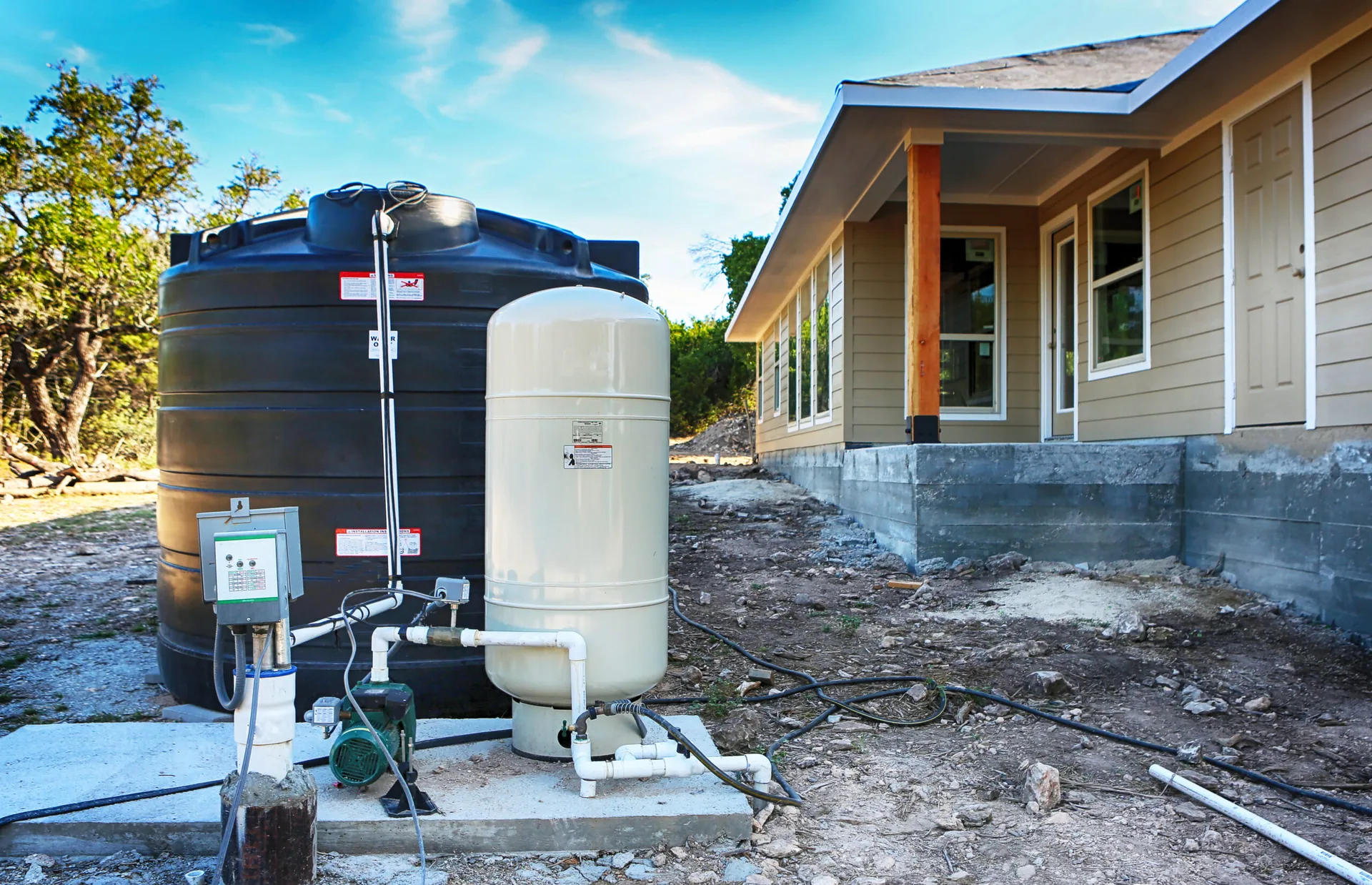
A Water Holding Tank in Eugene, OR, for Low-Yield Private Wells
Rainbow Pump Co Inc installs the water holding tank in Eugene, OR, and across Lane County that lets a slow well keep up with demand. Call (541) 726-1394, Monday to Friday, 8am to 4pm.
Signs Your Home Needs a Water Storage Tank for Well Use
Some wells produce water slowly. They hold enough for a glass or a quick shower, then run short when the household needs a lot of water at once. A water storage tank for well use lets that slow supply build up over the day, so it is ready when you need it. That is the job of every water holding tank in Eugene, OR, that we install.
- Sputtering faucets or air in the lines during laundry or showers
- A pump that shuts off on low-water protection, then restarts later
- Sediment or cloudy water near the end of a long draw
- Running out of water while irrigating a garden or filling a trough
- A flow test showing the well cannot meet peak household demand
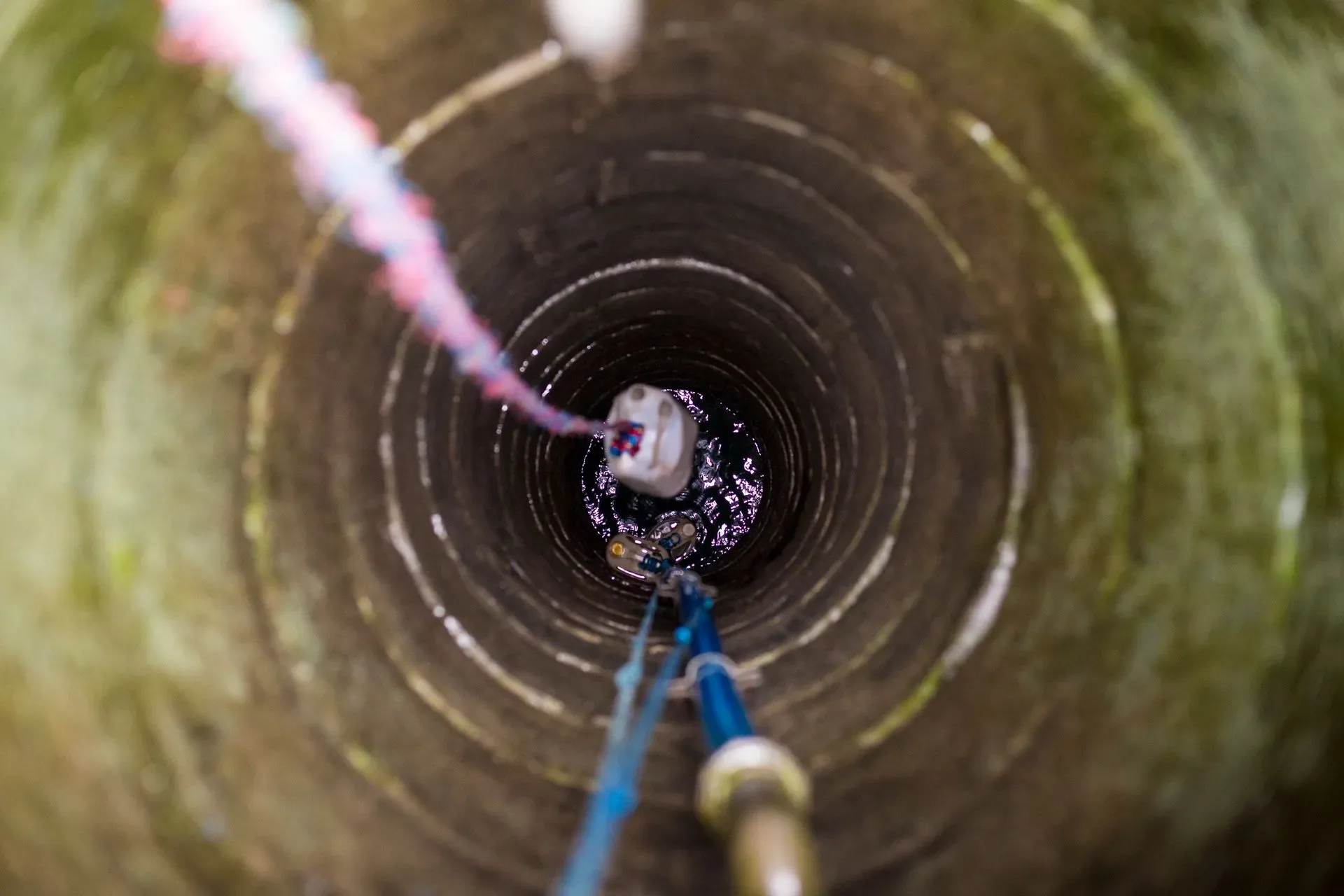
These signs can also come from a failing pump or a clogged intake, so we confirm the cause before recommending storage, and a well flow test measures what the well can actually supply. That number sets the size of everything else in the system.
How a Low Yield Well Storage Tank Works
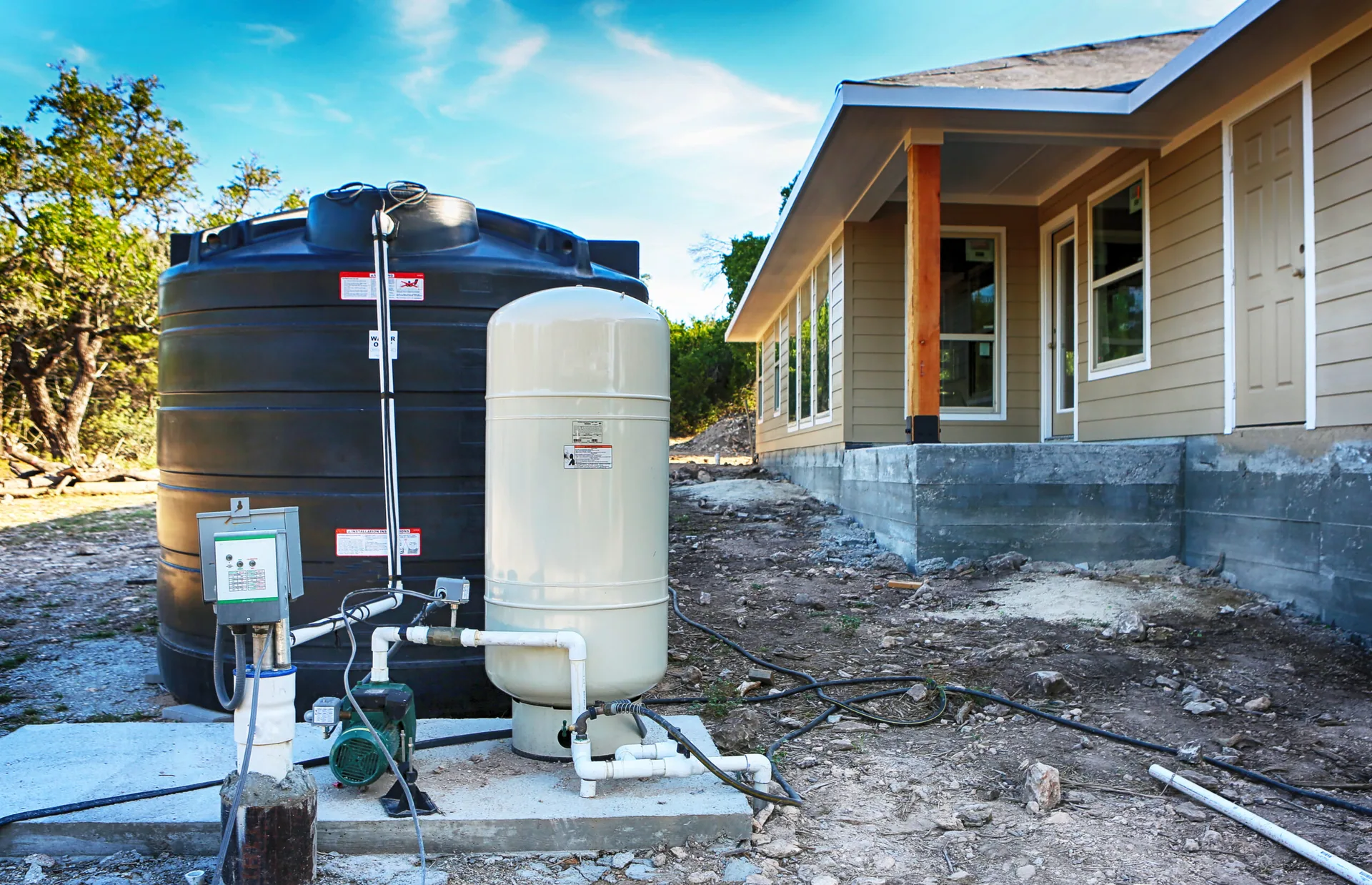
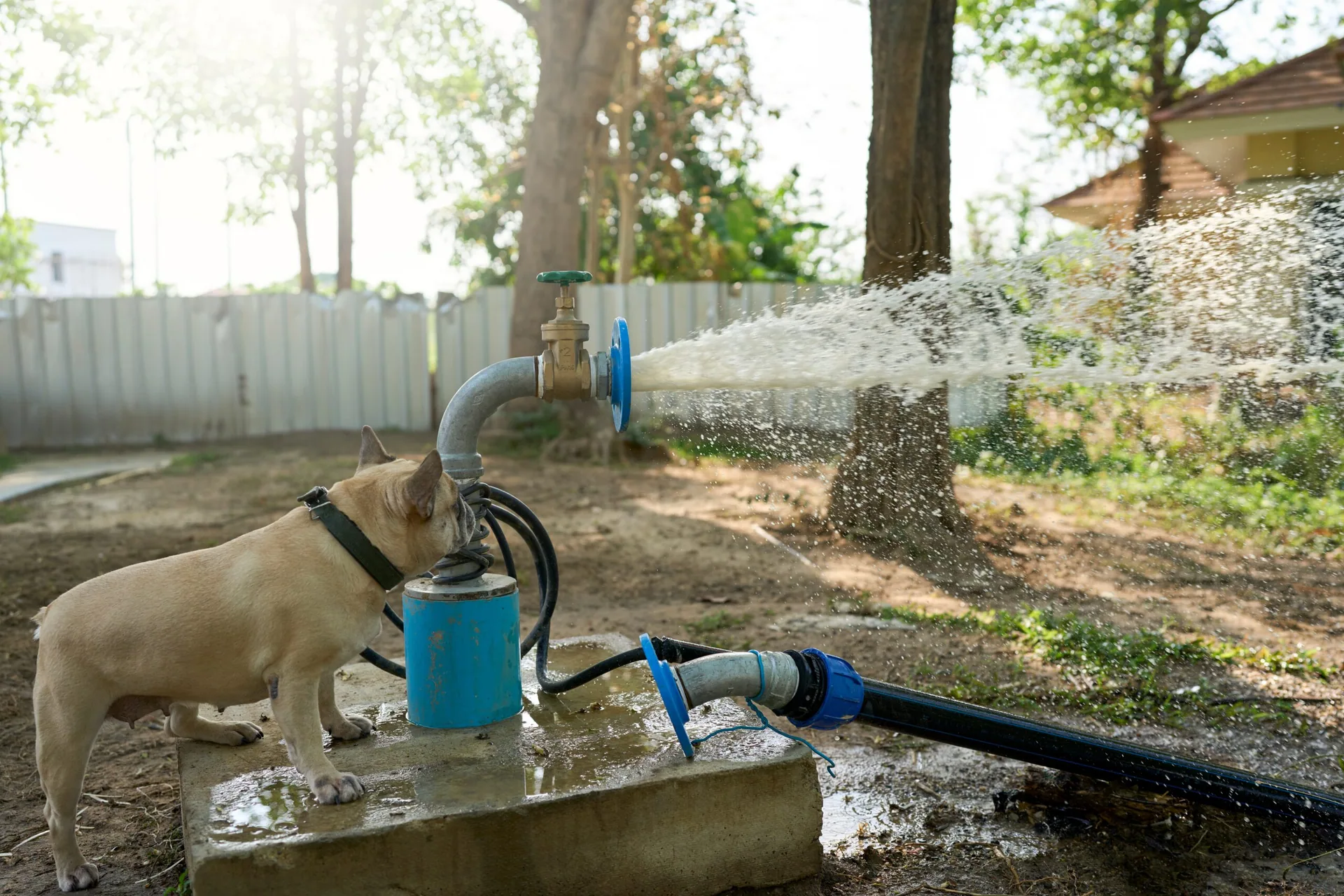
A low yield well storage tank separates how fast the well can produce water from how fast the house uses it. The well pump runs at a pace the well can sustain and fills a large tank over hours. A float switch or level control stops the well pump when the tank is full and restarts it when the level drops.
From the tank, a second pump, called a booster pump, delivers water to the house under pressure. The household draws from the stored volume rather than straight from the well, so a load of laundry and two showers in a row no longer drain the well itself.
This setup also protects the well pump. Running against a well that has drawn down can damage a pump, and a controlled fill cycle keeps the pump working within what the well can give.
Booster Pump Installation and House Pressure
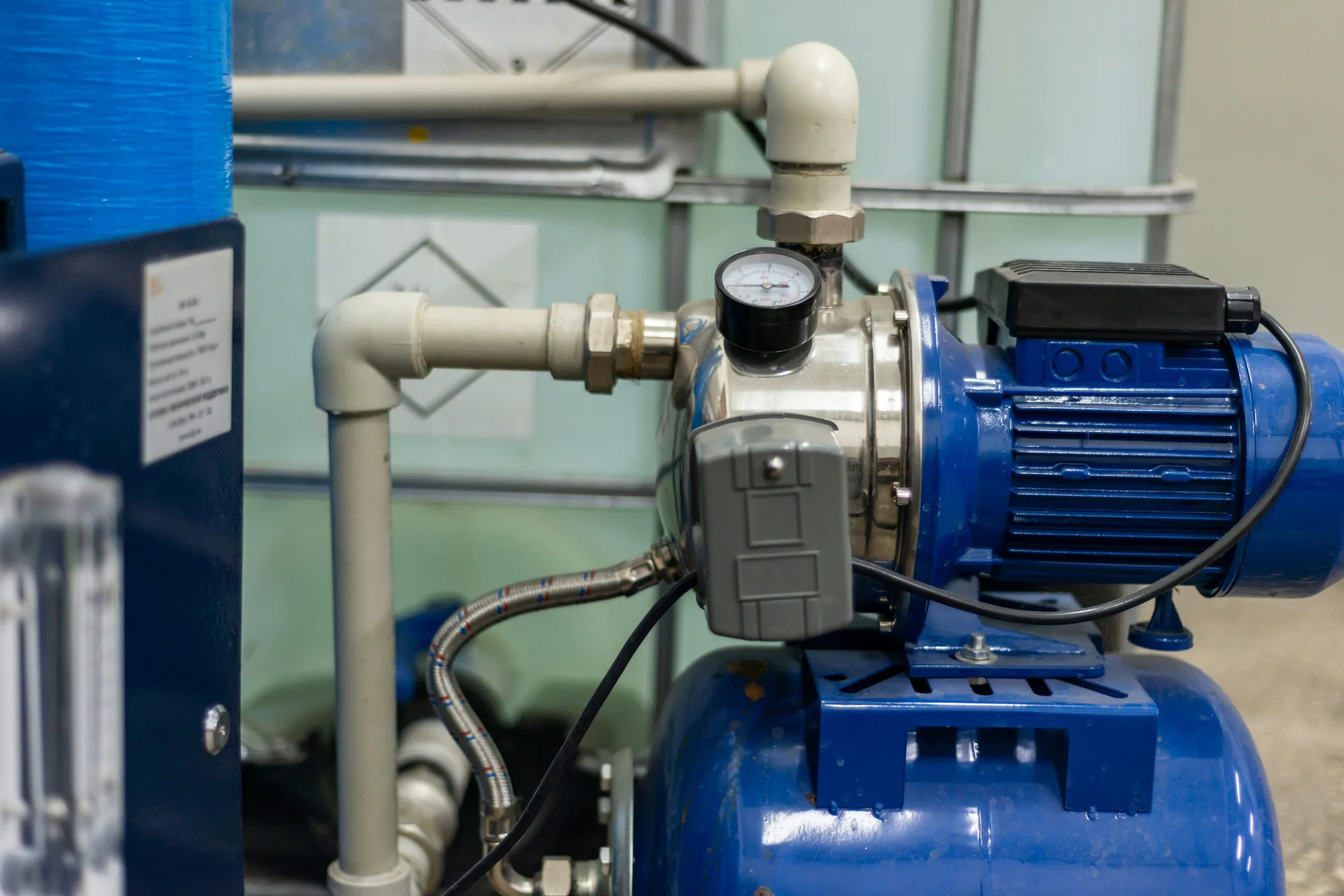
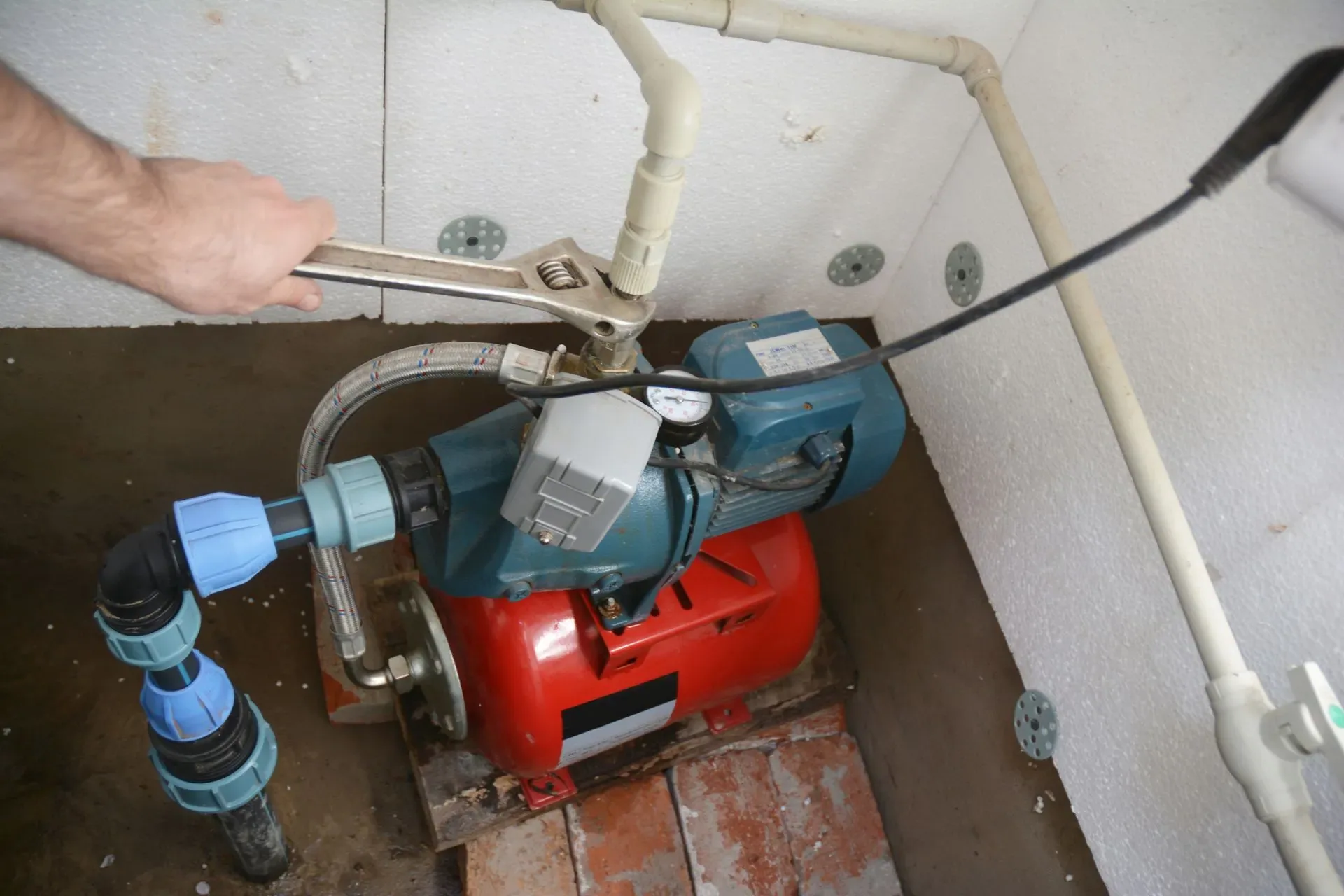
The booster pump is what makes stored water feel like normal water pressure. Booster pump installation includes the pump itself, a pressure tank sized to it, a pressure switch or controller, check valves and the piping between the storage tank and the house.
We size the booster pump to the number of fixtures, the length and elevation of the run to the house and any outdoor uses such as irrigation. A pump that is too small gives weak pressure upstairs, while one that is too large cycles too often. Getting that balance right matters as much as the tank itself.
Where a home already has a well water holding tank with a tired booster pump, we can replace the pump and controls without changing the storage tank, provided the tank is in sound condition. We inspect the tank first, so the new booster side is not paired with a tank that is about to fail.
Choosing a Well Water Holding Tank: Size and Placement
Tank size follows two numbers: how much water the household uses on its busiest day and how slowly the well refills. We want enough stored volume to carry the home through peak use, with the well topping it up in between.
Placement is just as important. A tank needs a level, stable base, room for access and a location that keeps the water clean and protected from freezing. Eugene averages 52 nights a year at or below freezing, so we plan around winter for any tank, pipe or booster pump outside a heated space.
We also think about how the system will be serviced over time. Tanks need an access lid, a vent and an overflow that keep insects and runoff out, and the controls should be easy to reach when something needs adjusting.
How We Work
Our Holding Tank System Installation Process
A storage system works only if every part is matched to the well and the household. We plan it in the same order on every job, starting with what the well can produce.
-
1
Measure the Well
We confirm the well's production and the condition of the existing pump, so the system is designed around real numbers instead of guesses.
-
2
Design the System
We size the storage tank, the fill controls, the booster pump and its pressure tank, then agree on placement and how the lines will run.
-
3
Install Tank and Controls
We set the tank on a prepared base, connect the fill line and level controls, and install the booster pump, pressure tank and switch.
-
4
Start Up and Test
We fill the tank, run the full fill and draw cycle, check pressure at the fixtures and walk you through how the system works.
What Affects the Cost of a Holding Tank System
We quote a holding tank system after we have seen the property and measured the well, because each system is built around its own numbers. The biggest factors are the size of the tank, the type of booster pump and controls, and the distance between the well, the tank and the house.
Site work also plays a part. A tank on an existing slab in a garage is simpler than one that needs a new base, a trench for the lines or freeze protection in an outbuilding. Reusing sound parts of an existing system, such as a working pressure tank, can reduce the work. We explain each choice before any work begins.
Why Rainbow Pump
Why Choose Rainbow Pump for a Water Holding Tank in Eugene, OR
Rainbow Pump Co Inc has worked on private well systems since 1976, and the Jones family continues its tradition of hands-on management. Our technicians bring decades of experience and factory training from top pump manufacturers to every water holding tank in Eugene, OR, and the towns around it.
- Founded in 1976 and based in Pleasant Hill
- Licensed with the Oregon Construction Contractors Board, CCB #38493
- Residential, commercial and agricultural water systems
- Well pump, storage, booster and pressure tank planned together
Because we install both the well pump and the booster side, the whole system is designed by one team. That avoids the gaps that appear when the parts are chosen separately.
Holding Tank Systems for Rural Properties Across Lane County
From our shop in Pleasant Hill, we build storage systems for homes, farms and businesses within about 50 miles, including well pump service in Eugene, well pump service in Springfield and well pump service in Pleasant Hill. Properties throughout our Lane County service areas count on a steady supply from a private well.
A storage system works alongside the pressure side of the house, and our pressure tank installation work sizes that tank to the booster pump. Holding tanks are one part of the water well pump services we provide. Whether the property is a hillside home, a hobby farm or a small business, a water holding tank in Eugene, OR, and the nearby countryside can turn a slow well into a dependable one.
Water Holding Tank Questions
How large a holding tank does a low-yield well need?
The size depends on how much water the household uses on its busiest day and how quickly the well refills. A home with a very slow well needs more stored volume than one that only falls short during peak use. We measure what the well can produce, talk through your daily use and recommend a tank that carries you through demand with room to spare.
Do I still need a pressure tank with a holding tank system?
Yes. The holding tank stores water at normal atmospheric pressure, so it cannot push water to your fixtures on its own. A booster pump draws from the storage tank and fills a pressure tank, which delivers water to the house and keeps the booster pump from starting with every faucet. Sizing those two parts together is what gives steady pressure.
Can a holding tank be installed outdoors in Lane County?
It can, with planning. Outdoor tanks and their lines need protection from freezing, a level base and a lid that keeps out insects, debris and runoff. Many owners prefer a tank in a garage, barn or insulated outbuilding because it is easier to protect and service. We look at your property and recommend the placement that suits the climate and your access.
What keeps the stored water clean?
A sealed tank with a screened vent, a tight access lid and a protected overflow keeps contaminants out. The fill line should enter so it does not stir up sediment, and the tank needs occasional inspection. When a system is new or has been opened for repairs, disinfecting the tank and testing the water afterward is a sensible step for drinking water.
Will a holding tank help my well pump last longer?
It often does. Without storage, a pump on a low-yield well can draw the water down to its intake and run without enough water to cool it. A controlled fill cycle lets the pump run at a pace the well can sustain and rest while the tank is full. That gentler duty is easier on the motor than repeated hard drawdowns.
Plan Your System
Start Your Storage System With Rainbow Pump
A well that runs short does not have to mean rationing water. A properly sized storage tank and booster pump turn a slow well into a dependable supply for the whole household. Call (541) 726-1394, Monday to Friday, 8am to 4pm, or send us a message to set up a visit.