
Water Purity Testing
Well Water Testing in Eugene, OR for Bacteria, Nitrate and Arsenic
Well water testing in Eugene, OR checks your drinking water for bacteria, nitrate and arsenic. Rainbow Pump Co Inc arranges each sample so an accredited laboratory can give a clear result.
Why Private Well Owners Test Their Water
In Oregon, a private well is the owner's responsibility. Public water systems are tested on a schedule, but a home well is not, so a test is the only way to know what is in your water. The Oregon Health Authority names bacteria, nitrate and arsenic as the three most common well water contaminants in the state.
- A new baby in the home, or an infant drinking the water
- Stomach illness that keeps coming back
- A change in taste, smell or color
- Recent work on the well, the pump or the plumbing
- Floodwater that reached the wellhead
- No test on record for the past year
Most of these contaminants have no taste, color or smell, so clear water is not proof of safe water. Well water testing in Eugene, OR and across Lane County gives you facts instead of assumptions. Regular testing is the simplest way to protect the people who drink it.

Bacteria Testing
Well Water Bacteria Test for Coliform and E. coli
A well water bacteria test looks for total coliform and E. coli. Coliform bacteria live in soil and surface water, so finding them in a well suggests surface water is getting in. Common paths are a loose cap, a cracked casing or water pooling around the wellhead.
E. coli is a more serious finding, because it points to contamination from human or animal waste. The Oregon Health Authority recommends a coliform test of well water every year. It also suggests testing more often when the well has a history of contamination or when equipment has broken.
When bacteria show up, the next steps are finding how they got in, fixing that path, then disinfecting the well. Well water testing in Eugene, OR after heavy winter rain or nearby construction is a sensible extra check. Our well chlorination service handles the disinfection, and a follow-up sample confirms the water is clear.

Nitrate Test for Well Water and Why It Matters for Infants
Nitrate reaches groundwater from fertilizer, manure and other sources on the land around a well. It has no color, taste or smell. The Oregon Health Authority recommends a nitrate test for well water every year, and more often when infants drink the water.
Babies fed formula made with high nitrate water are at risk for blue baby syndrome, a serious condition that keeps the blood from carrying oxygen well. The state also notes some evidence that high nitrate levels may raise the risk of miscarriage and certain birth defects.
Farm fields, pastures and gardens are common across the rural parts of Lane County. A yearly nitrate result on file lets you spot a change early, before it becomes a health problem for the youngest people in your home.

Arsenic Checks and a Full Drinking Water Test for Well Owners
Arsenic is one of the three contaminants the state watches most closely in private wells. Long term exposure is linked to problems of the skin, circulatory system, nervous system, lungs and bladder, including some forms of cancer. The Oregon Health Authority suggests testing for arsenic every three to five years.
Depending on your property, a broader drinking water test for well owners can add other items, such as iron, manganese or hardness. These affect taste, staining and the life of fixtures and equipment. We help you choose the tests that fit your well and your concerns instead of a panel you do not need.
A clean arsenic result still deserves a recheck on schedule, since groundwater conditions can change over time. Keeping every report together makes those comparisons straightforward.

How Testing Works
Our Water Purity Testing Process
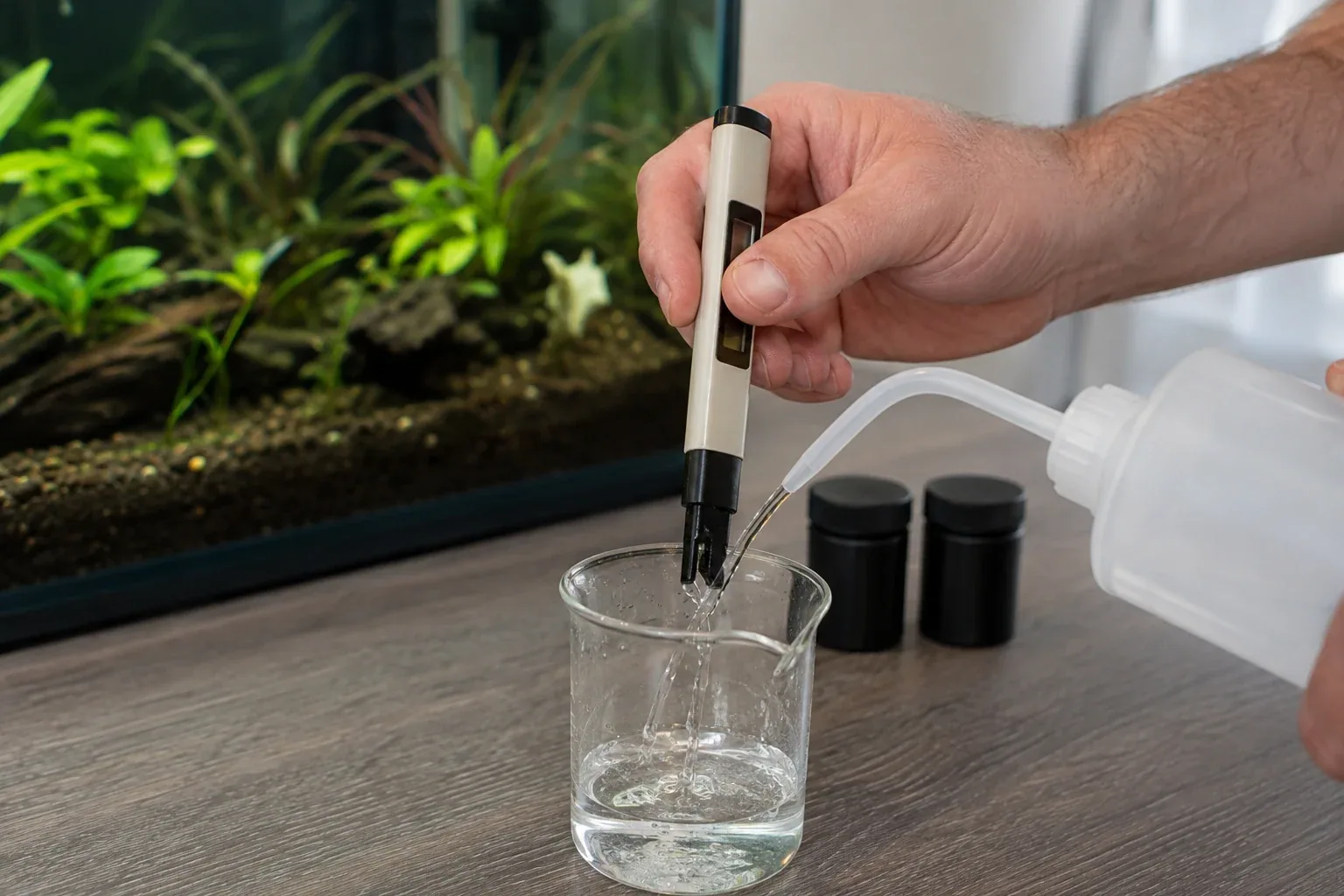
A test result is only as good as the sample behind it. State guidance calls for using the laboratory's collection kit, following its instructions and getting the sample to the lab within 24 hours.
-
1
Choosing the Tests
We start with what you need to know: routine safety, a specific worry or a property sale. That decides which tests the laboratory runs on your sample.
-
2
Collecting the Sample
The sample comes from a cold water tap that bypasses any treatment, using the laboratory's sterile bottles and instructions. Careful handling keeps outside bacteria from skewing the result.
-
3
Laboratory Analysis
An accredited laboratory analyzes the sample. Bacteria results usually come back within a few business days, while some tests, such as arsenic, can take longer.
-
4
Reading the Results
We go over what the numbers mean and whether anything needs attention. If a problem shows up, we explain the next steps for the well and the water system.
What Affects the Cost of Testing Your Well
The cost of testing depends mostly on which contaminants you test for and how many samples are taken. A single bacteria test costs less than a broad panel, and a retest after a repair adds another round of lab work.
- The number of contaminants on the test list
- Laboratory fees for each test
- Whether a retest is needed after disinfection
- Whether testing is paired with real estate well testing for a sale
- Travel within our service area of about 50 miles
We quote the work once we know what you want to learn, so you pay only for testing that answers a real question. If you already have an older result, bring it along. Comparing it with a new test shows whether anything has changed.

Why Well Owners Trust Rainbow Pump With Water Purity Testing
Rainbow Pump Co Inc was founded in 1976 and is owned by the Jones family, who keep a hands-on approach to the work. Our technicians have decades of experience and factory training from top pump manufacturers.
That background matters after the lab report arrives. If a test points to a problem with the well cap, the casing or the plumbing, we can track down the source and fix it, then confirm the result with another test.
We are licensed with the Oregon Construction Contractors Board, CCB #38493, and we work on residential, commercial and agricultural systems. A farm with several taps or a small business serving the public gets the same careful approach as a family home. Our hours are Monday to Friday, 8am to 4pm.
Lane County Wells
Well Water Testing in Eugene, OR and Surrounding Towns
From our base in Pleasant Hill, we serve well owners within about 50 miles. Homes between the Coast Fork and the Middle Fork of the Willamette River, and across the valley floor, depend on private wells that only their owners can keep track of. Well water testing in Eugene, OR and the nearby countryside gives those owners peace of mind.
We test for well pump service in Eugene customers at the edge of town, for owners near well pump service in Springfield, and for our neighbors who rely on well pump service in Pleasant Hill. Our well pump service areas in Lane County reach farther, and our water well pump services cover every part of the system the water passes through.
Water Purity Testing Questions
Which tests does Oregon recommend each year for a home well?
The Oregon Health Authority recommends testing a home well for coliform bacteria and nitrate every year, and for arsenic every three to five years. Test more often if the well has a history of contamination, if anyone in the home has a stomach illness, if infants drink the water or if any well equipment has broken.
Is clear, good tasting well water safe to drink?
Not necessarily. Bacteria, nitrate and arsenic usually have no taste, color or smell, so water can look and taste fine and still carry a health risk. A laboratory test is the only reliable way to know. A change in taste or appearance is worth testing for, but the absence of one is no proof of safety.
What happens if my well tests positive for coliform bacteria?
A positive result means surface water or soil is likely reaching the well. The first step is finding the entry point, such as a loose cap, a damaged casing or water pooling at the wellhead, and fixing it. The well is then disinfected with chlorine and tested again to confirm the bacteria are gone.
Does boiling water remove nitrate?
No. Boiling kills bacteria, but it does not remove nitrate. As water boils away, the nitrate left behind becomes more concentrated, which makes the problem worse. If a test shows high nitrate, use another water source for infant formula and look into treatment options and ways to protect the wellhead from runoff.
Can I collect a well water sample myself?
You can. Oregon's own guidance says samples may be collected by water professionals or by anyone able to follow the laboratory's instructions. Handling mistakes can produce a false result, though, such as bacteria from your hands or the faucet. Having a trained technician take the sample lowers that risk, and the sample still needs to reach the lab within 24 hours.
Know What Is in Your Well Water
Your family drinks, cooks and bathes with this water every day. Call Rainbow Pump at (541) 726-1394, Monday to Friday, 8am to 4pm, and set up testing that tells you whether your well water is safe.