Well Disinfection
Well Chlorination in Eugene, OR for Safe Household Water
Rainbow Pump Co Inc provides well chlorination in Eugene, OR and across Lane County, clearing bacteria from the well, pump, tank and household lines. Call (541) 726-1394, Monday to Friday, 8am to 4pm.
When to Chlorinate
Signs Your Well Water Needs Disinfection
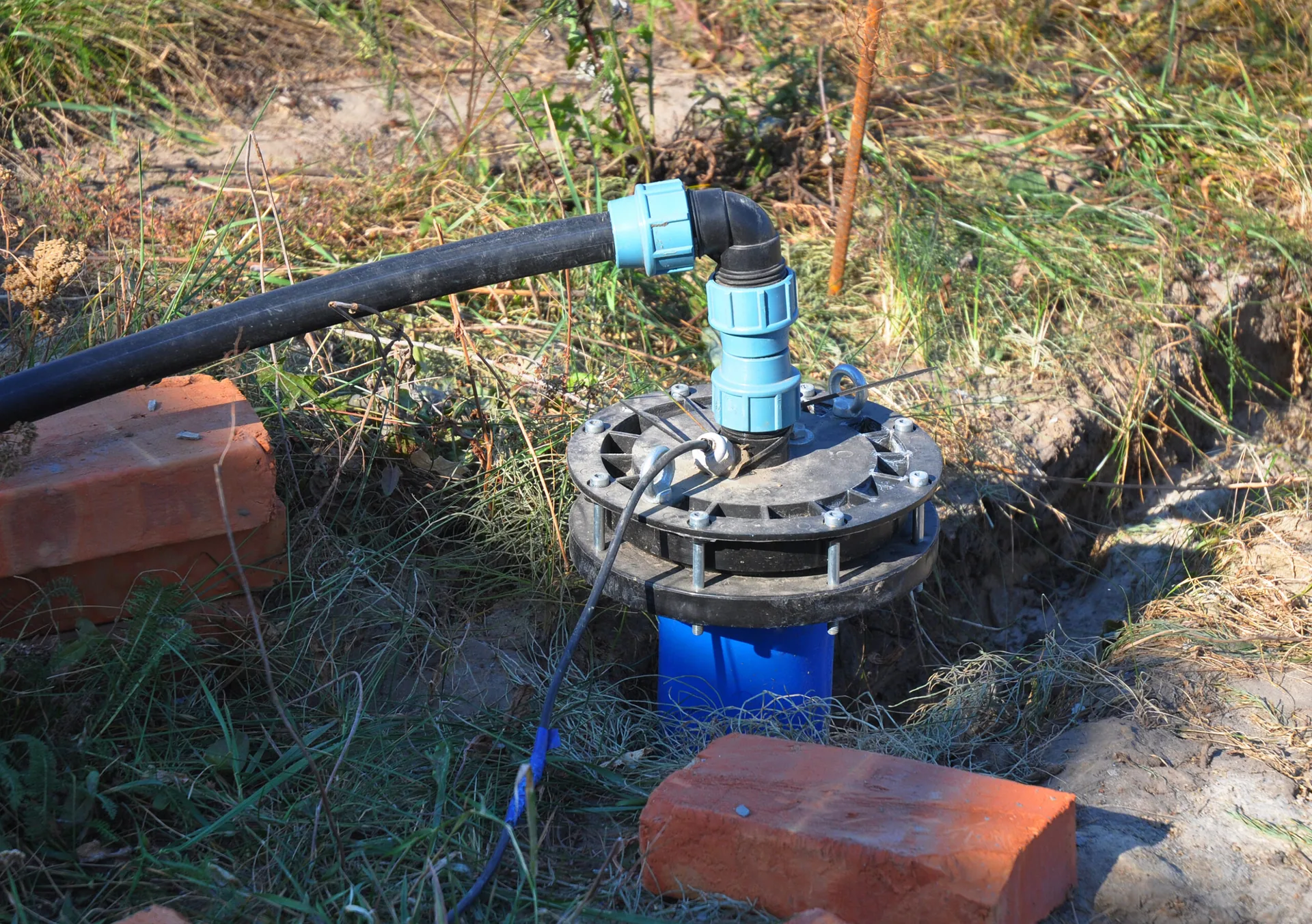
A positive bacteria test is the clearest reason to disinfect well water, but it is rarely the only one. Any time a well is opened, its sanitary seal is broken and surface organisms can ride in on tools, pipe and wire. Floodwater near the wellhead, a cracked well cap or a nest under the cover can do the same. Insects and small animals find their way under a loose cap more often than most owners expect.
Some of these reasons are urgent and some are routine. Most requests for well chlorination in Eugene, OR start with one of these situations:
- A lab report showing total coliform or E. coli bacteria
- New pump, pipe or pressure tank work on the system
- A sulfur or rotten egg odor that was not there before
- Floodwater or runoff pooling around the wellhead
- A damaged, loose or missing well cap
- A home that sat empty with the water unused for months
Our Process
How Our Well Shock Chlorination Process Works
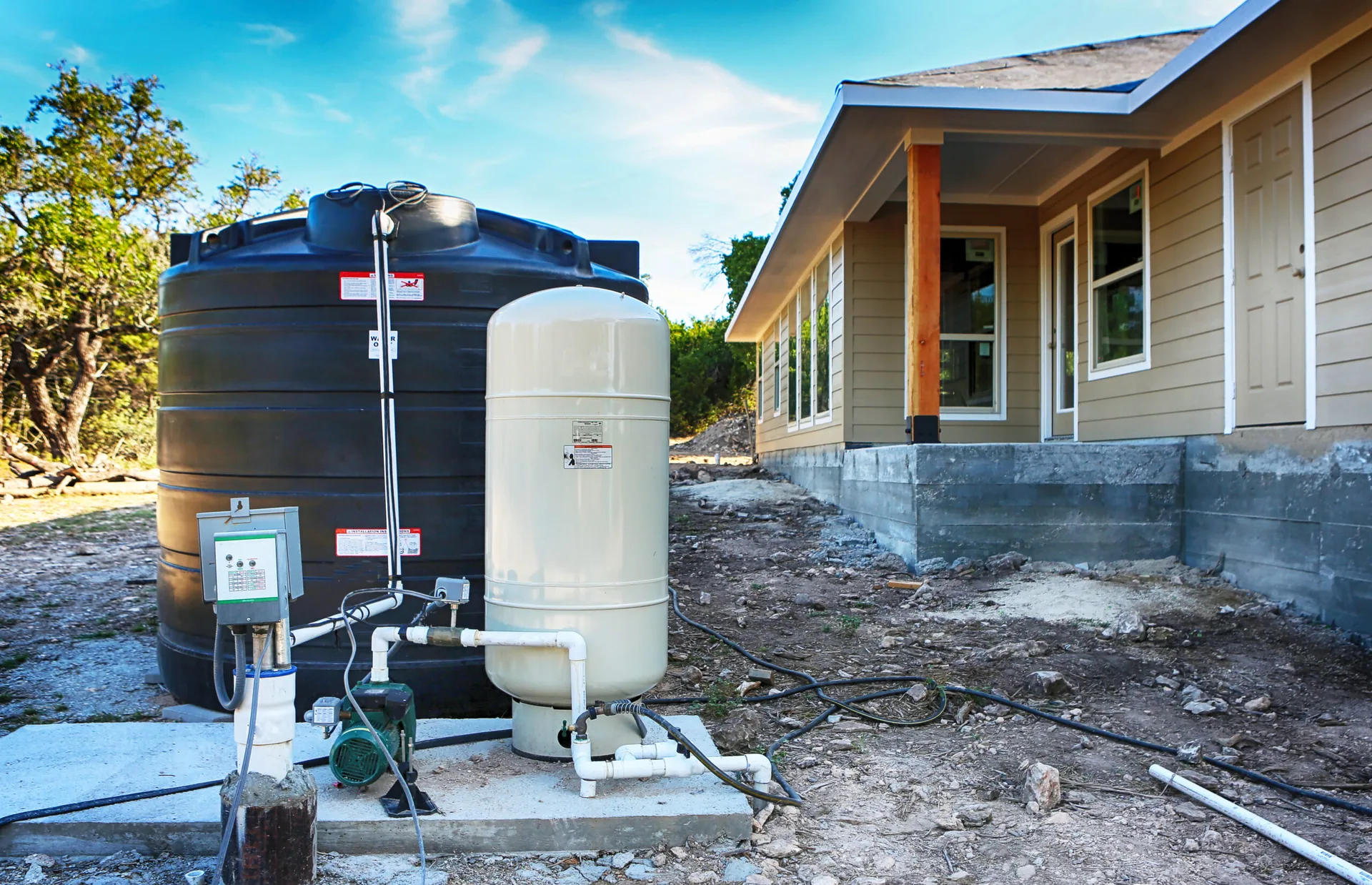
Well shock chlorination uses a strong dose of chlorine to kill bacteria living in the casing, on the pump and inside the plumbing. The steps matter as much as the chlorine, because a missed faucet or a short contact time leaves bacteria behind.
-
1
Inspect the Wellhead
Before any chlorine goes in, we look at the well cap, the casing and the ground around them. A loose cap or a damaged seal lets contamination back in, so it gets fixed first.
-
2
Dose the Well
We work out the amount of chlorine from the depth and diameter of your well. The solution is mixed into the water column so it reaches the full casing and the pump.
-
3
Circulate Through the Lines
Chlorinated water is drawn through the pressure tank and out of every faucet until each one smells of chlorine. The system then sits so the chlorine has time to work.
-
4
Flush and Retest
The chlorinated water is flushed out away from gardens and streams. A follow-up water sample a few days later shows whether the bacteria are gone.
Bacteria in the Well After Repair or New Equipment
Bacteria in the well after repair work is common and usually simple to clear. A pump pulled from the casing, a new drop pipe or a replaced pitless adapter all touch the inside of the well, and each can carry soil organisms down with it. Oregon's well construction standards from the Water Resources Department recognize the risk, calling for pumping equipment and casing to be disinfected with chlorine as they are placed in a well.
It makes sense to shock chlorinate a well as the final step of a well pump repair or a new installation. Doing it while the system is already open avoids a second trip, and it gives you a clean starting point for your next water test. The same thinking applies after a pressure tank swap or a new line to the house, since any part that sat in a yard or a truck bed can carry bacteria into the water.
Testing Before and After Chlorination
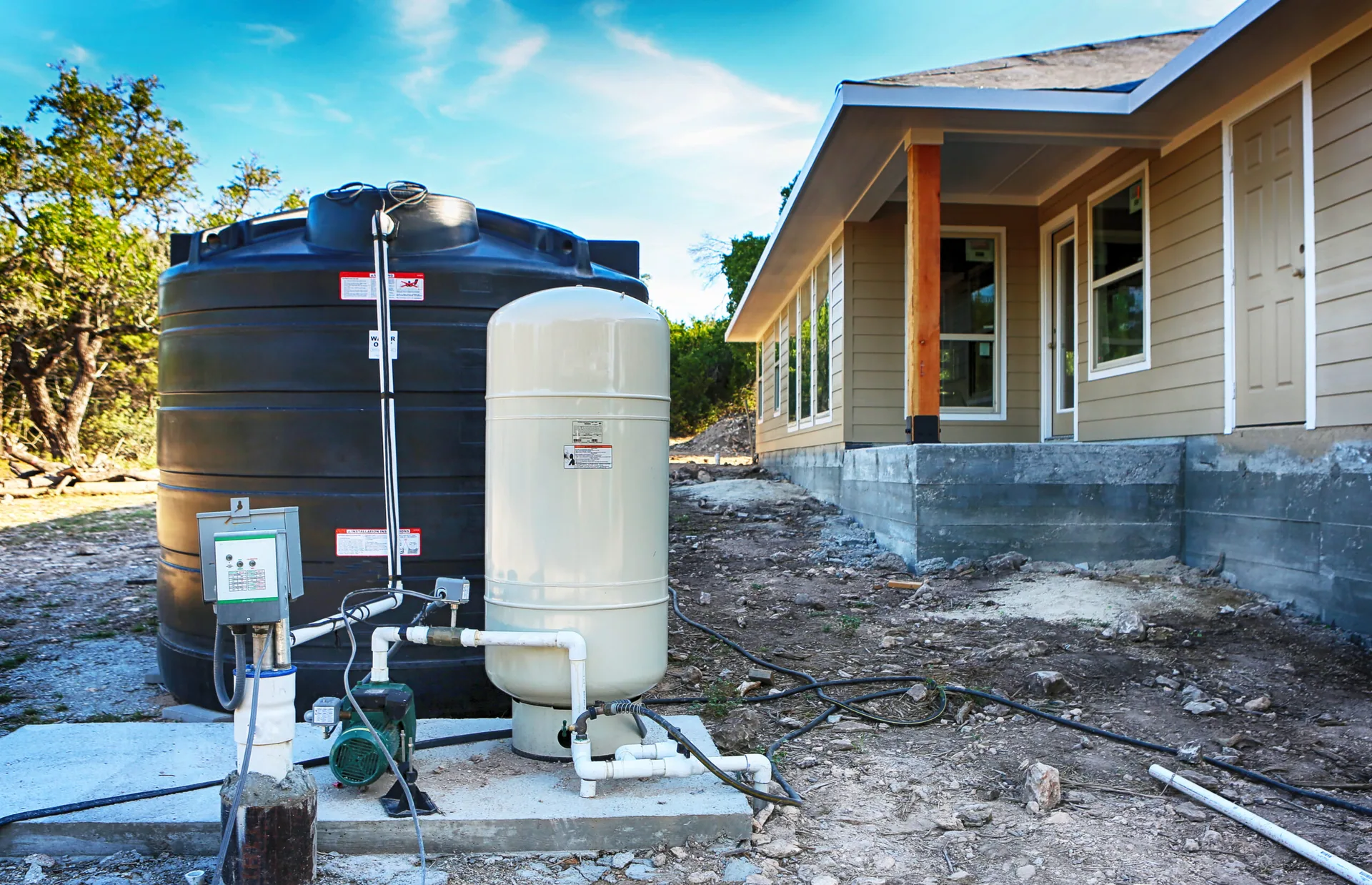
Chlorination treats a problem, and a water test confirms the result. A sample taken before treatment shows what is in the water, while a second sample afterward shows whether the treatment worked. Oregon State University's Well Water Program advises retesting a few days after the chlorine has been flushed from the system. Testing too soon can give a false clean result, because leftover chlorine kills bacteria in the sample bottle.
Rainbow Pump Co Inc handles well water testing in Eugene alongside chlorination, so one company follows the problem from the first sample to the clean result. When a second test still shows bacteria, the cause is often structural, such as a cracked casing, a failed seal or surface water reaching the wellhead. That calls for a repair rather than more chlorine, and a pump technician is the right person to find it. Treating the water again without fixing the source only buys time.

What Affects the Cost of Well Chlorination in Eugene, OR
The price of well chlorination in Eugene, OR depends mostly on the size of the system being treated. A deep well holds more water in its casing and needs more chlorine, and a home with a large pressure tank, a holding tank or long runs of pipe takes longer to circulate and flush. The main factors are these:
- Well depth and casing diameter
- Holding tanks, filters or treatment equipment in the line
- Repairs needed to the well cap or seal first
- Access to the wellhead, such as a buried or enclosed well
- Follow-up water testing after treatment
A phone call with the details of your well is the quickest way to get a quote. Have any recent lab results handy, since they help us plan the treatment.
Why Homeowners Choose Rainbow Pump for Well Disinfection
Rainbow Pump Co Inc has served Lane County since 1976, and the Jones family carries on a tradition of hands-on management. Our technicians bring decades of experience and factory training from top pump manufacturers. They treat the pump, tank and controls as one system rather than a set of separate parts.
That matters with chlorination, because the source of contamination often sits in the equipment. A failed seal, a worn pump or a pressure tank problem can often be found and fixed during the same job, as part of our full range of water well pump services. Rainbow Pump is licensed with the Oregon Construction Contractors Board, CCB #38493, and works on residential, commercial and agricultural wells.
Well Disinfection Across Eugene, Springfield and Pleasant Hill
Our shop is in Pleasant Hill, and we treat wells across Lane County within about 50 miles. Many rural homes in the Willamette Valley sit outside city water service and rely on private wells. Those wells face the same seasonal pressures, with wet winters and runoff collecting around the wellhead. A well cap that sat fine all summer can start letting water in after the first long stretch of rain.
We provide well pump service in Eugene, well pump service in Springfield and well pump service in Pleasant Hill, along with the rural communities between them. Our Lane County service areas reach well beyond these three towns, and well chlorination in Eugene, OR is available on the same terms as everywhere else we work.
Well Disinfection Questions From Lane County Homeowners
How long after chlorination can I drink my well water?
Wait until the chlorine has been flushed out and a follow-up test comes back clear of bacteria. Until then, use bottled or boiled water for drinking and cooking. Oregon State University's Well Water Program suggests retesting a few days after flushing, and we can collect that sample for you as part of our water testing service.
Will chlorine damage my pump, pressure tank or plumbing?
A single shock treatment at the right strength is not expected to harm a well pump, a pressure tank or household plumbing. Problems tend to come from repeated heavy dosing or chlorine left in the system far longer than needed. Some treatment equipment, such as certain filters and softeners, should be bypassed during the process, and we check for it first.
Does shock chlorination fix bacteria permanently?
It clears the bacteria present at the time of treatment, but it does not stop new contamination from getting in. If a cap, seal or casing lets surface water reach the well, bacteria can return. For that reason we inspect the wellhead first and recommend a retest, so a repeat problem points to its real cause.
Should a well be chlorinated after a new pump is installed?
Yes. Installing or pulling a pump exposes the inside of the casing to soil, tools and pipe that have been above ground, which can bring bacteria into the water. Chlorinating the well after the work, then testing the water, confirms the system is clean before your family goes back to using it for drinking and cooking.
Can I shock my own well instead of hiring a pump company?
Owners can do it, and Oregon State University publishes a step-by-step guide. The common mistakes are using too little chlorine, skipping faucets, flushing too early or draining strong chlorinated water where it harms plants or streams. A professional treatment also includes a look at the well cap and seal, which is often where the bacteria came from.
Clean Water Again
Book Well Chlorination With a Local Pump Team
A positive bacteria test is stressful, especially with young children or older family members at home. Call Rainbow Pump Co Inc at (541) 726-1394, Monday to Friday, 8am to 4pm, and we will plan a treatment that fits your well and the equipment around it.